
Understanding the psychology behind gambling addiction What drives the urge to play
The Allure of Gambling
The allure of gambling often stems from the thrill and excitement it brings. Many individuals are drawn to the potential of winning large sums of money, which can create a feeling of euphoria. This rush can stimulate the brain’s reward system, releasing dopamine, a neurotransmitter associated with pleasure. The anticipation of a win can become addictive, leading players to seek out that high repeatedly. In this context, exploring platforms such as trixcasino.co.uk/games/ can provide insight into modern experiences within the gambling world.
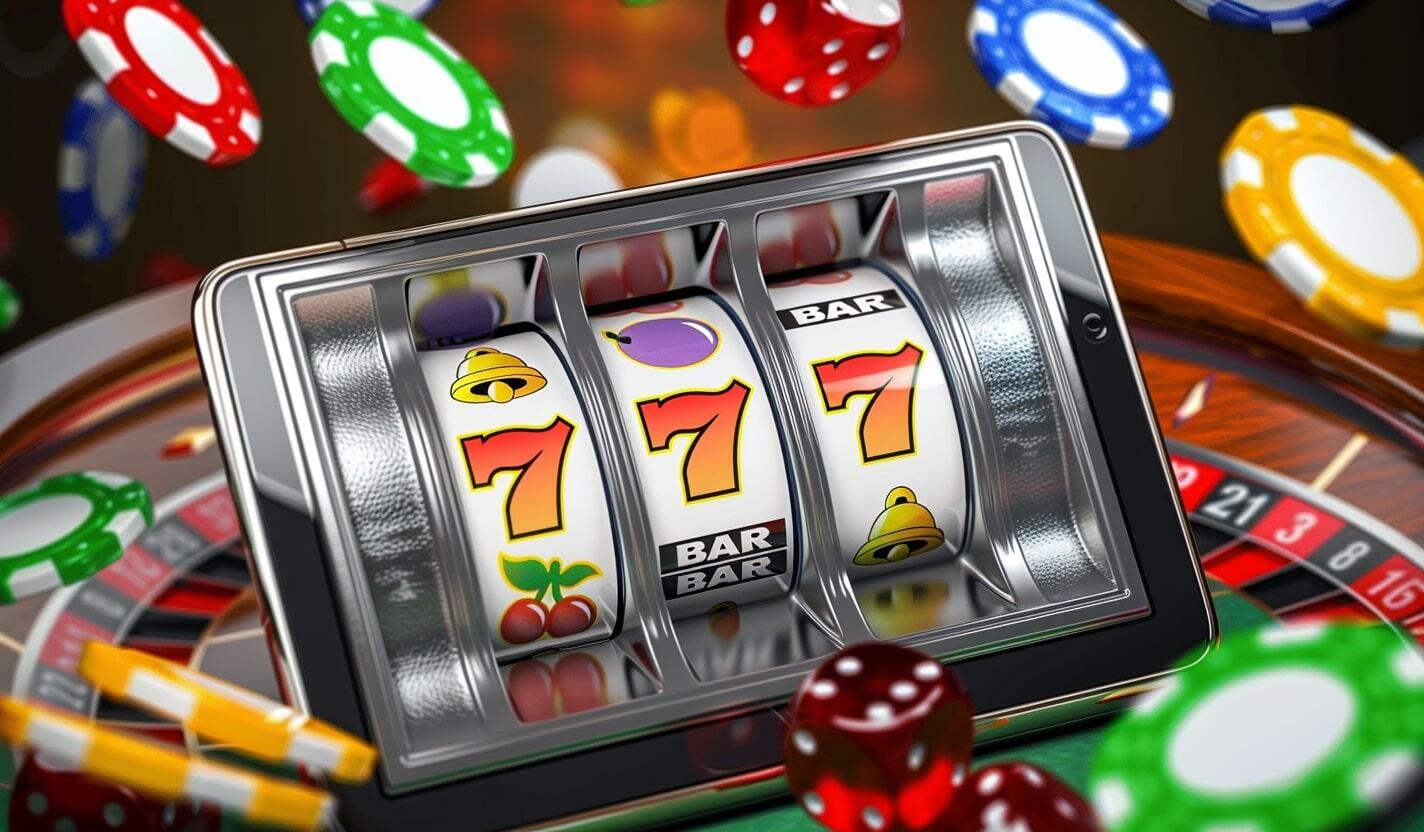
Moreover, the environment surrounding gambling can enhance this experience. Bright lights, enticing sounds, and the presence of other excited players create an atmosphere that heightens emotions. This sensory overload can lead individuals to lose track of time and money, further feeding into the cycle of addiction. Understanding this psychological pull is crucial in addressing the root causes of gambling behavior.
Several psychological triggers contribute to the urge to gamble. Emotional states such as stress, anxiety, or boredom can lead individuals to seek escape through gambling. For some, it serves as a coping mechanism, allowing them to forget their troubles temporarily. In such cases, the act of gambling becomes less about the game itself and more about the emotional relief it provides.
Additionally, cognitive distortions play a significant role in gambling addiction. Many gamblers believe they have control over the outcomes, leading to a phenomenon known as the “illusion of control.” This belief can perpetuate their gambling behavior, as they convince themselves that they will win if they just play one more time. Recognizing these psychological factors is essential for effective intervention and support.
The Role of Social Influences
Social influences also impact the psychology of gambling. Peer pressure and social acceptance can encourage individuals to gamble, especially among younger adults. The normalization of gambling in popular culture, including movies and television, often glamorizes the lifestyle, making it seem appealing and desirable.
Additionally, social settings, such as casinos or betting events, can create a sense of belonging. For some, being part of a group of gamblers can enhance the experience, making them more likely to continue playing. Understanding these social dynamics is vital for addressing gambling addiction, as support networks can be both a risk factor and a source of recovery.
The Cycle of Addiction
Gambling addiction is characterized by a cyclical pattern of behavior that can be difficult to break. It often begins with casual gambling, which escalates as individuals chase losses or seek to recreate the initial high of winning. This cycle can lead to significant financial problems, emotional distress, and strained relationships.
As individuals continue to gamble, they may resort to deceit to cover their actions, further entrenching them in their addiction. This cycle can be devastating, creating a sense of hopelessness and despair that makes it even harder to seek help. Recognizing the signs of addiction and understanding this cycle is a crucial step in breaking free from its grip.

About Our Website
Our website serves as a comprehensive resource for those seeking to understand gambling addiction and its underlying psychology. We provide valuable information on the signs of addiction, coping strategies, and avenues for seeking help. Our goal is to raise awareness and foster a supportive community for individuals affected by gambling addiction.
By offering insights into the psychological aspects of gambling, we aim to empower individuals to make informed decisions about their gambling behaviors. We believe that understanding the drivers behind the urge to play is the first step toward recovery and healthier choices in the future.