
The Illusion of Control
One of the most compelling psychological tricks employed by casinos is the illusion of control. This phenomenon occurs when players believe they can influence the outcome of a game, despite the fact that most casino games, such as slots and roulette, are based purely on chance. For example, in games like blackjack, players often feel empowered by the decisions they make, such as when to hit or stand. However, the reality is that the odds are designed to favor the house, which is similar to how the best online casino canada operates under strict regulations.
This illusion compels players to engage more deeply with the game, as they feel a sense of ownership over their success. The more they believe they can control the result, the longer they tend to stay and play. Casinos capitalize on this by designing games that emphasize player choices, reinforcing the idea that skill can influence luck.
The Role of Ambient Features
A crucial aspect of casino design involves ambient features such as lighting, sound, and even scent. Casinos often use dim lighting and bright, flashy displays to create a stimulating environment that feels both inviting and exciting. The sounds of ringing coins and cheerful music can evoke feelings of joy and success, even if players are losing money.
This carefully curated atmosphere encourages patrons to stay longer. Instead of being aware of time passing, players become immersed in the experience. The absence of clocks and windows further removes the sense of reality, making it easier for players to lose track of how long they have been gambling, leading to extended play sessions.
The Power of Near Misses
The concept of near misses plays a significant role in keeping players engaged in gambling activities. When players experience a near miss — such as spinning the slot machine and almost hitting the jackpot — it generates a rush of excitement. This psychological phenomenon can make players feel that they were “so close” to winning and, therefore, more likely to continue playing in hopes of eventually achieving that elusive win.
Casinos cleverly exploit this by designing their machines and games to generate frequent near misses. These moments create a sense of anticipation and hope, which can be more compelling than actual wins. Consequently, players tend to overlook the fact that their chances of winning are still relatively low, reinforcing the cycle of play.
Loyalty Programs and Rewards
Another psychological tactic used by casinos is the implementation of loyalty programs and rewards. By offering players points for every dollar they spend, casinos create an incentive for continued play. Players often feel compelled to accumulate points, which can be redeemed for various perks, such as free meals, hotel stays, or even cash back.
This strategy leverages the psychology of commitment, where players feel they have invested in their play and thus should continue to engage to reap those rewards. These loyalty programs can create a strong sense of attachment, making players more likely to return to the casino, as they want to maximize their benefits from their loyalty.
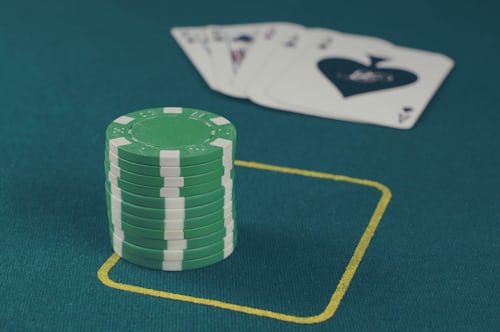
Learn More About Responsible Gambling
As you explore the fascinating psychological tricks that casinos employ, it’s essential to approach gambling with mindfulness and responsibility. Understanding these tactics can help you make informed decisions and maintain control over your gaming experiences. Being aware of how these strategies influence behavior can empower you to enjoy gambling as a form of entertainment, rather than as a means to make money.
For those looking for resources on responsible gambling, our website serves as a comprehensive guide, providing information on safe gambling practices. Join us in fostering an environment where gambling remains a fun and safe leisure activity for everyone.