
The evolution of gambling A journey through history
Ancient Beginnings
The origins of gambling can be traced back to ancient civilizations, where the practice was often intertwined with religious rituals and community events. Archaeological evidence suggests that as far back as 3000 BC, dice made from bone or wood were used in games of chance in cultures such as the Mesopotamians and Egyptians. These early games reflected societal norms and often involved betting on outcomes that were perceived to have divine intervention, similar to how modern players enjoy an online casino experience today.

In Ancient Rome, gambling evolved further with the introduction of more structured games like chariot races and gladiatorial contests, where spectators would wager on the outcomes. The Roman Empire saw the rise of betting houses, which laid the groundwork for modern casinos, establishing a culture where gambling was both a form of entertainment and an economic activity.
The Middle Ages and Regulation
During the Middle Ages, gambling faced periods of both popularity and restriction. Many governments implemented strict regulations to control the practice due to its potential for fostering crime and social disorder. However, the era also saw the emergence of games such as cards, which became immensely popular among the nobility. These card games introduced new forms of betting and skill, contributing to the evolution of gambling as a strategic endeavor rather than just a game of chance.
Gambling houses began to pop up in various European cities, offering various games, including early forms of poker and roulette. The interplay between regulation and public interest led to a dichotomy where gambling was both condemned and celebrated, influencing its perception across different cultures and regions.
The Birth of Modern Casinos
The 17th and 18th centuries marked a significant shift in the evolution of gambling, with the establishment of the first formal casinos. The Casino di Venezia in Italy, opened in 1638, is considered the world’s oldest casino. These venues were designed specifically for gambling, offering a variety of games and attracting the elite and wealthy from across Europe. The structure and glamour of these establishments changed the landscape of gambling, emphasizing luxury and social status.
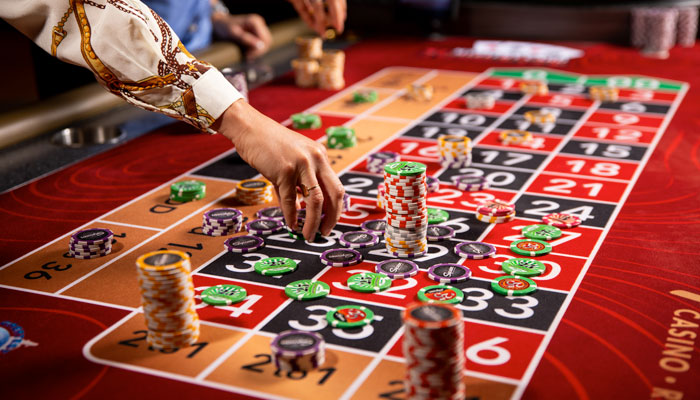
This period also saw the invention of iconic games such as baccarat and the refinement of roulette, which gained immense popularity. These games provided a sense of thrill and anticipation, drawing in players who were eager to test their luck and strategy. The casino culture began to flourish, setting the stage for the grand casinos we know today.
The Digital Revolution
The late 20th century introduced a technological revolution that transformed the gambling industry. With the advent of the internet, online gambling became a reality, making games accessible to a global audience. Players could now engage in their favorite games from the comfort of their homes, leading to an explosion in the popularity of online casinos and sports betting platforms.
The digital landscape also gave rise to innovative gaming options, such as virtual reality casinos and mobile gaming apps. This evolution has not only expanded the types of games available but has also created new ways for players to engage, socialize, and share their experiences, further solidifying gambling’s place in modern entertainment.
Conclusion and Future of Gambling
As gambling continues to evolve, it remains a dynamic component of society, reflecting cultural shifts and technological advancements. The history of gambling—from ancient practices to modern online platforms—demonstrates its enduring appeal and adaptability. With ongoing innovations, the future of gambling promises to be even more exciting, presenting new opportunities for players and operators alike.
For those interested in exploring the intricate history and developments in gambling, various resources and platforms are available. These platforms aim to educate and guide players, whether they are novices or seasoned gamblers, while also addressing contemporary concerns related to security and responsible gaming practices.